You wipe down the corners, keep the doors closed, and a spider still shows up in the bathtub. It’s one of the most common questions we hear, and the answer is usually less dramatic than people expect. Spiders don’t need an open door. They need a gap, a ride, or a reason to follow the insects already living around your home. Here’s how spiders get in the house, which ones you’re most likely to find, and what actually keeps them out.
How Do Spiders Get in the House?
Spiders are small, flat, and flexible, which means a gap that looks sealed to you can be a front door to them. Most of the time they walk in through the same weak spots our technicians check on:
- Gaps under exterior doors and garage doors, especially where the weatherstripping has worn down
- Torn or loose window screens and the small gaps around window frames
- Cracks in the foundation and where siding meets the foundation
- Utility penetrations, where pipes, cables, and dryer vents pass through the wall
- Crawl space vents and basement windows that don’t close tightly
- Attic and soffit vents without intact screening
- Weep holes and gaps behind trim, fascia, and chimney flashing
Some spiders never “get in” at all in the way people picture. They hitch a ride on firewood, boxes from the garage or storage unit, potted plants, and laundry left on a line. A single egg sac carried in on a cardboard box can turn into dozens of small spiders a few weeks later.
Why Spiders Come Inside
Spiders aren’t looking for you. They’re looking for food, shelter, and moisture, and a house often offers all three.
- Food. Spiders are predators. If ants, flies, beetles, crickets, and other small insects are active around your foundation, spiders follow them. They are where their food is.
- Shelter. Basements, garages, crawl spaces, and attic corners are quiet and undisturbed, which is exactly what most spiders want.
- Moisture. Damp basements and crawl spaces attract the insects spiders feed on, and some spiders prefer humid spaces themselves.
- Weather and season. As temperatures drop in the fall, spiders and the insects they eat both look for protected spots, so activity indoors often picks up from late summer into fall.
- Light. Exterior lights draw flying insects at night, and spiders build webs right where the meals gather.
That last point is why spider problems rarely start with spiders. If you only treat the spider, the food source stays, and so does the reason for new spiders to show up.
Common Spiders Found in Massachusetts Homes
Different spiders get in different ways. Knowing which one you’re looking at tells you a lot about where it came from and how to stop the next one. These are the spiders our technicians see most often around homes in Massachusetts.
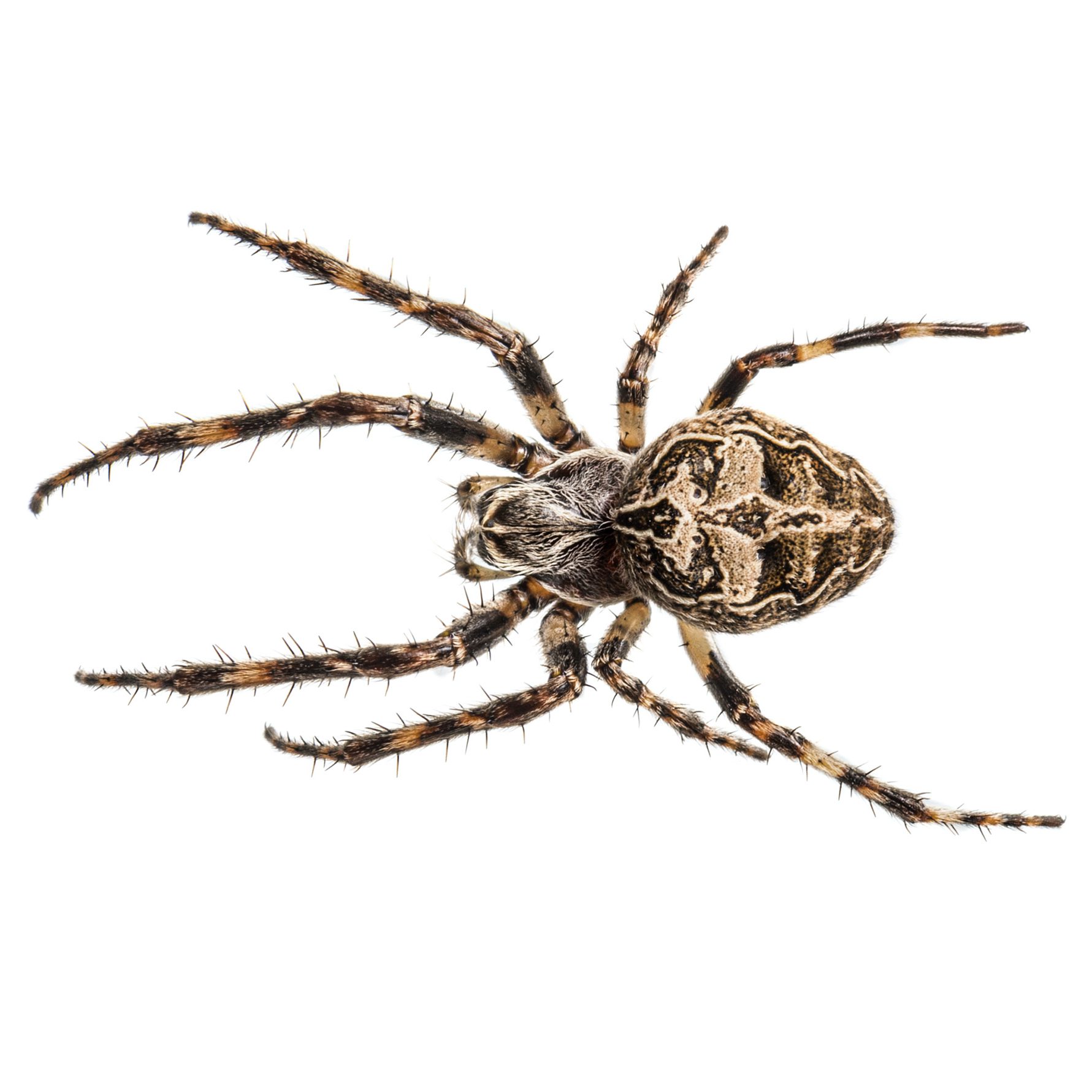
Garden Spiders
What they look like: Garden spiders (Araneus diadematus), sometimes called cross spiders, are about half an inch to an inch long. Colors range from yellow to orange-brown, with a pale cross-shaped pattern on the abdomen.
Where you’ll see them: Mostly outdoors. They build large, neat orb webs in gardens, between shrubs, along porch railings, and under eaves, often near exterior lights where insects gather.
How they get in: Rarely on their own. A garden spider indoors usually wandered through an open door or window, or rode in on a plant or on firewood. If you keep finding them near the house, the real signal is the insect activity outside that’s feeding them.
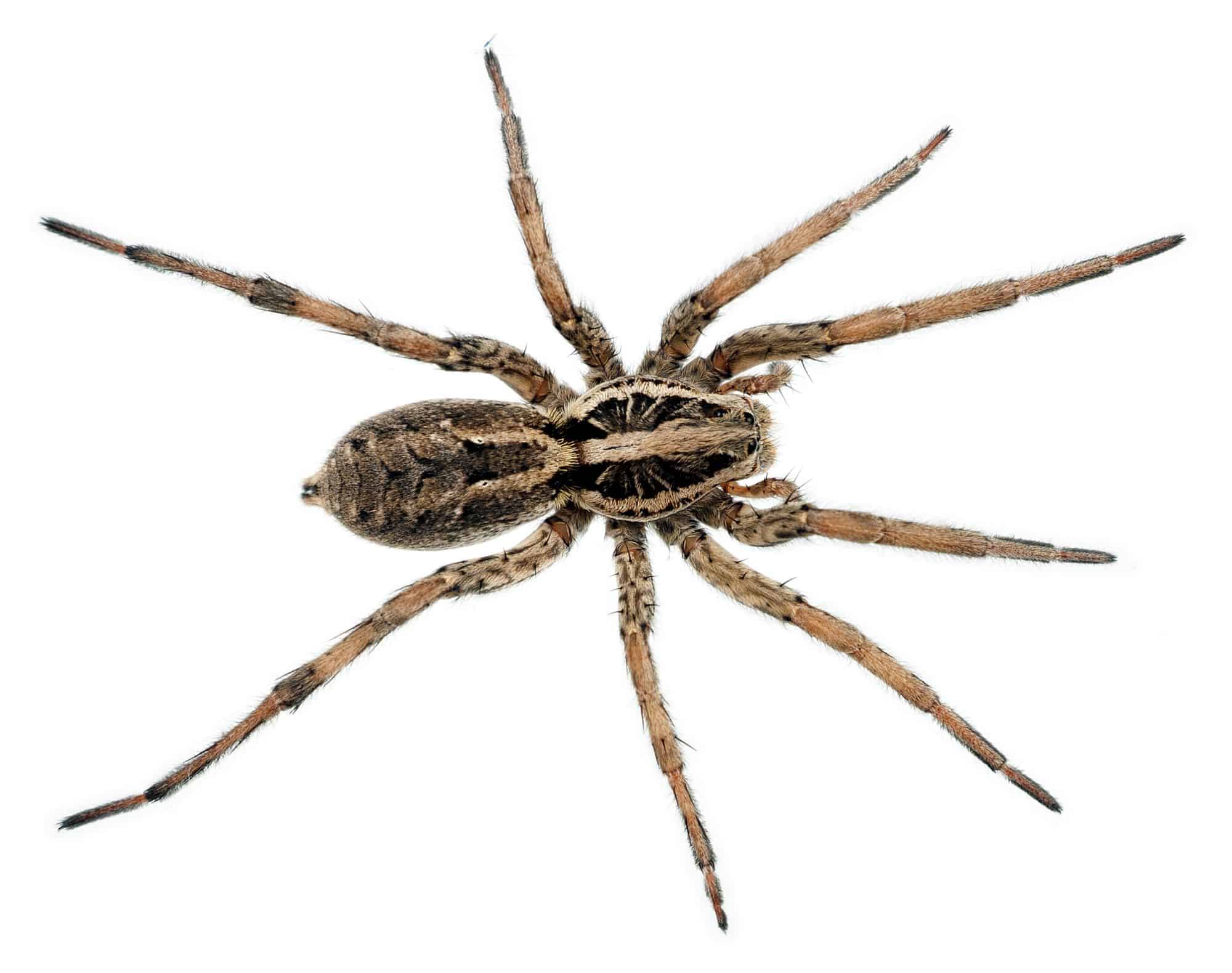
Wolf Spiders
What they look like: Wolf spiders are sturdy, hairy, and fast, usually brown or gray with striped or mottled markings. Two large eyes sit at the front of the head, with smaller eyes in rows behind them.
Where you’ll see them: On the ground. Wolf spiders don’t spin webs to catch food, they hunt, so you’ll find them running across garage floors, basement slabs, and along baseboards, often at night.
How they get in: At ground level. Gaps under doors, garage door seals, basement windows, and cracks along the foundation are their usual routes, especially as the weather cools in the fall. Our wolf spider control guide goes deeper on telling them apart from other large spiders.
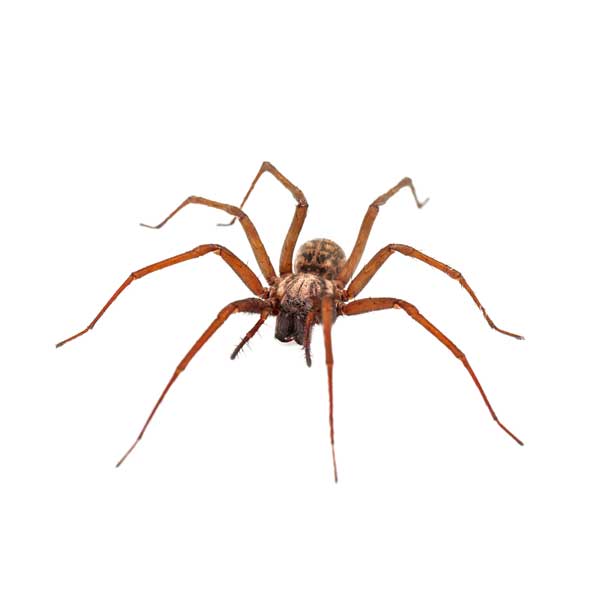
Common House Spiders
What they look like: Small and unremarkable, typically tan, brown, or gray with a rounded abdomen and mottled markings. Most people only notice the webs.
Where you’ll see them: Indoors, tucked into upper corners, ceilings, window frames, closets, basements, and attics. These spiders build tangled, irregular webs and tend to stay put in quiet spots.
How they get in: Often small enough to slip through tiny gaps, and just as often carried in on boxes, furniture, and stored items. Once inside, they can live their entire life cycle in your home, which is why a few webs can turn into many.
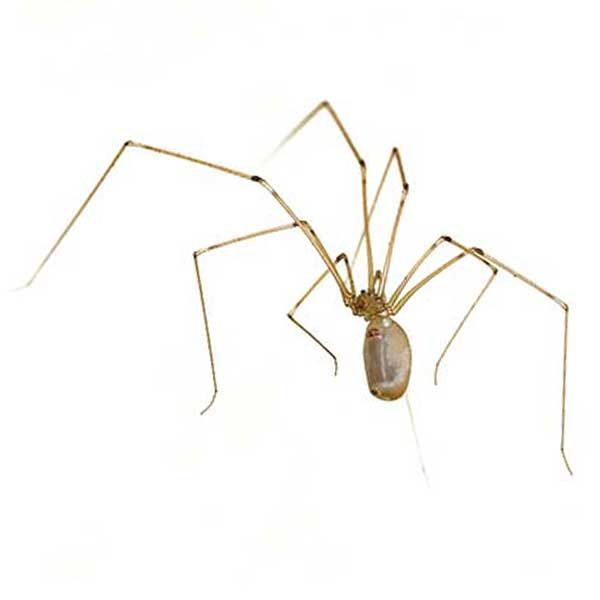
Cellar Spiders
What they look like: Cellar spiders, often called daddy long-legs, have tiny bodies and extremely long, thin legs. They’re pale tan or gray and are easy to recognize when they hang upside down in a loose, messy web.
Where you’ll see them: Basements, crawl spaces, cellars, garages, and the corners of ceilings in damp, dim spaces. They’re not common in sunny, dry rooms.
How they get in: Through crawl space vents, foundation cracks, and basement openings. A damp basement is a strong invitation, since moisture draws the small insects cellar spiders feed on. Fixing humidity is often as important as sealing gaps.
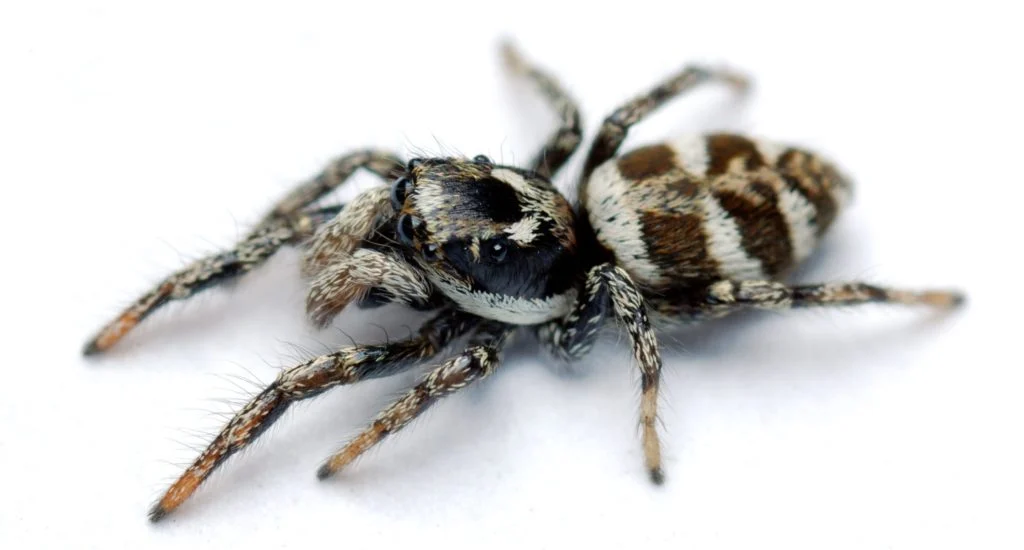
Jumping Spiders
What they look like: Compact, stocky spiders with two noticeably large eyes at the front and a habit of turning to look at you. Colors and patterns vary, and many are dark with lighter markings.
Where you’ll see them: On sunny surfaces, like window sills, screens, siding, decks, and porch railings. They hunt by sight and pounce on prey rather than catching it in a web.
How they get in: Usually through window and door gaps or damaged screens, and sometimes on plants brought indoors. A jumping spider on the inside of a window is typically one that wandered in while following the sun and a meal.
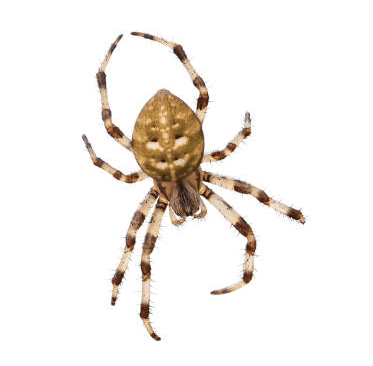
Orb Weaver Spiders
What they look like: Orb weavers (the family that includes garden spiders) have round abdomens, long legs, and often bold color patterns. Females are larger and more colorful than males.
Where you’ll see them: Outdoors, in the large circular webs that appear across doorways, between trees and shrubs, and along eaves in late summer and fall. Webs near porch lights are especially common.
How they get in: Not often. Orb weavers need open space to build, so they rarely settle indoors. The ones that do show up inside typically came through an open door or window, or were carried in on something from outside.
For most homeowners, these spiders are more of a nuisance than a risk. They also eat other pests, which is why we focus on keeping them out of living spaces and reducing what attracts them, rather than treating every spider as an enemy.
Signs Spiders Are Getting In
One spider isn’t a sign of a problem. A pattern is:
- New webs in the same corners, even after you clear them
- Spiders in basements, garages, or crawl spaces week after week
- Webs gathering around exterior lights, door frames, and eaves
- Small, round egg sacs tucked into corners, boxes, or behind stored items
- A noticeable number of ants, flies, or other small insects indoors, since spiders follow the food
How to Keep Spiders Out of Your House
You can’t make a home spider-proof, but you can make it a lot less appealing:
- Seal the gaps. Replace worn door sweeps and weatherstripping, repair window screens, and caulk cracks around windows, siding, and utility lines.
- Screen the vents. Check crawl space, attic, and soffit vents for intact screening.
- Manage the light. Exterior lights draw insects, and insects draw spiders. Warm-toned bulbs attract fewer insects, and moving lights away from doors helps.
- Cut the clutter. Keep firewood stacked away from the house, clear leaf piles from the foundation, and swap cardboard storage for plastic bins.
- Trim back plants. Keep shrubs and branches from touching the house, since they give spiders a bridge to your siding.
- Reduce moisture. A dehumidifier in the basement helps, along with fixing leaks and keeping gutters clear.
- Vacuum, then toss the bag. Vacuuming removes webs and egg sacs, and emptying the vacuum outdoors keeps them from hatching inside.
Seal-and-clean steps help a lot, but they usually don’t solve the outdoor part of the problem, which is the insects living in mulch beds, shrubs, and along the foundation.
What Exterior De-Webbing Looks Like


How Eastern Pine Keeps Spiders Out
Eastern Pine practices Integrated Pest Management, which means the right treatment, in the right location, in the smallest effective amount. For spiders, that starts with finding out how they’re getting in and what’s feeding them, not spraying every surface in the house. Our spider control service typically includes:
- A property inspection to identify the spider species, entry points, and the insects drawing them in
- Targeted exterior treatment along the foundation, entry points, and the areas where spiders and their prey travel
- Exterior de-webbing to remove webs, egg sacs, and built-up debris from eaves, porches, light fixtures, and siding
- Exclusion recommendations for gaps, screens, and vents we find along the way
- Guidance on lighting, moisture, and landscaping that make your property less attractive to spiders
When needed, we apply a silica-based insecticidal dust to interior cracks and crevices where spiders may hide or travel. This targeted treatment works by disrupting their protective outer layer, causing dehydration and helping eliminate spiders in hard-to-reach areas.
When necessary, we also perform targeted interior crack-and-crevice treatments, particularly in basements, garages, and other areas prone to spider activity. These applications help eliminate existing spiders and provide residual protection against future activity.
For homeowners who want ongoing protection, our Pest Prevention Plan treats the exterior of your home through the seasons, which cuts down the insect activity that spiders follow.
When to Call a Professional
A few situations are worth scheduling an inspection for rather than waiting it out:
- You’re finding spiders in the same rooms week after week
- You see egg sacs or large numbers of small spiders
- Webs keep rebuilding around doors, windows, and eaves after you remove them
- You can’t tell what kind of spider you’re dealing with
- You’d rather not spend your weekends chasing webs and sealing gaps
Tired of chasing spiders and webs?Our team will find how they’re getting in and take care of it.
Request an InspectionFrequently Asked Questions
How do spiders get in a house with the doors and windows closed?
Through gaps you can’t see. Spiders slip under door sweeps, through small cracks around windows and utility lines, and through vents. They also hitchhike on firewood, plants, and boxes carried in from outside.
Why do I see more spiders in my house in the fall?
As the weather cools, spiders and the insects they feed on look for shelter. Many spiders also become more active and visible in late summer and fall, so you’re more likely to see them moving around indoors.
Are the spiders I find in my house dangerous?
Most of the spiders homeowners find indoors in Massachusetts, like house spiders, cellar spiders, wolf spiders, and jumping spiders, are not considered dangerous to people. As with any spider, avoid handling them. If you’re unsure what you have, a technician can identify it during an inspection.
Will spiders go away on their own?
Sometimes a single wandering spider will leave or die off, but if conditions stay the same, new ones keep arriving. Entry points, moisture, and the insects they feed on need to be addressed to make a lasting difference.
Can pest control get rid of spiders in my house?
Yes. Professional spider control combines exterior treatment, de-webbing, exclusion, and reducing the insects spiders feed on, which is more effective than treating individual spiders as you see them.
Schedule Spider Control
Today
Seeing spiders and webs you can’t seem to get ahead of? Our team will find how they’re getting in, treat the source, and help keep them out.
Submit a Request