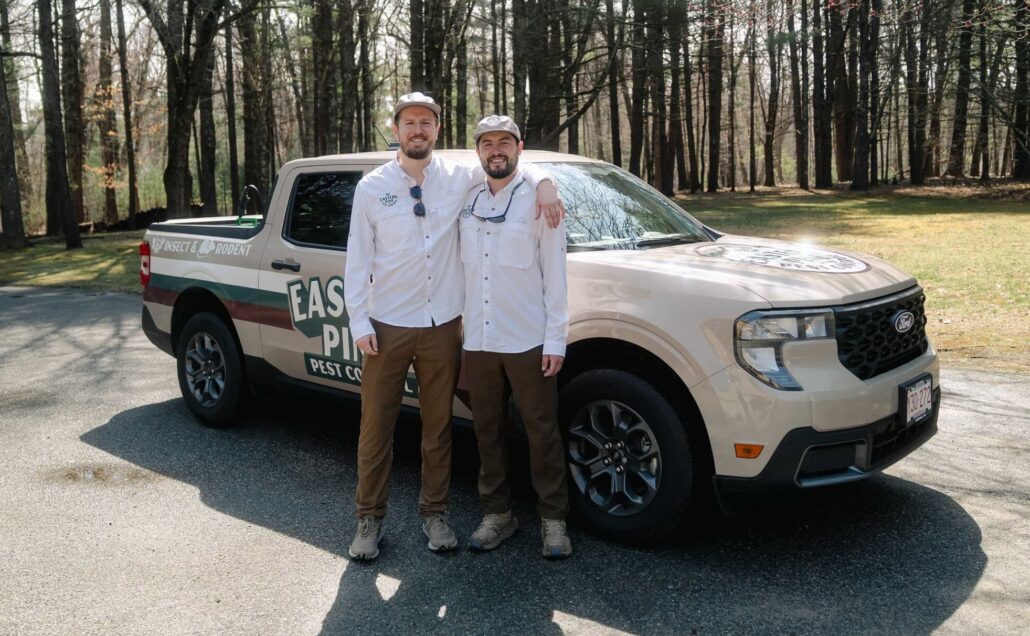

If you’ve called around for pest control, you’ve probably heard the term Integrated Pest Management, or IPM. It gets used often, but not always accurately. At Eastern Pine Pest Control, IPM isn’t a marketing label. It’s the actual process we follow on every job, from the first inspection to the products we choose and where we apply them. Here is what IPM means, how it works, and how we put it into practice.
What Is Integrated Pest Management?
Integrated Pest Management (IPM) is a pest control approach that combines inspection, monitoring, prevention, and targeted treatment to manage pests effectively while using the least amount of product necessary. Rather than treating a property on a fixed schedule or applying pesticides broadly, an IPM program identifies the specific pest, determines the source of the problem, and treats only where and when treatment is actually needed.
IPM was originally developed for agriculture by university extension programs and later adopted by the EPA and USDA as the standard for responsible pest management. Structural pest control companies, including Eastern Pine, now apply the same core principles inside and around homes.
How Integrated Pest Management Works
IPM programs generally follow four steps, each one informing the next.
Inspection and Pest Identification
Every pest requires a different approach, so identification comes first. A technician confirms what pest is present, where it is active, and what is drawing it to the property in the first place. Skipping this step, or guessing at the pest, is one of the most common reasons pest control fails to solve the actual problem.
Monitoring and Action Thresholds
IPM programs use traps and visual inspections to track pest activity over time. Treatment is applied when monitoring shows that a pest population has crossed a meaningful threshold, not automatically or on a set calendar.
Prevention
Prevention focuses on removing what pests need to survive: food, water, and shelter. For homes, this typically means sealing entry points, addressing moisture issues, and removing the conditions that attract pests before chemical treatment is ever considered.
Targeted Control Tactics
When treatment is needed, IPM ranks control methods from lowest risk to highest and uses the least aggressive option that will solve the problem.
- Biological control: using natural predators or pest biology against the pest itself.
- Mechanical and physical control: traps, barriers, and exclusion work.
- Chemical control: targeted, professional grade products applied only where needed, used as a precise tool rather than a first resort.
How Eastern Pine Pest Control Applies IPM Principles
IPM sounds good in theory. Here is what it actually looks like when we’re on your property:
- We start with a thorough inspection to identify the pest and find where it’s entering, not just where you’re seeing it.
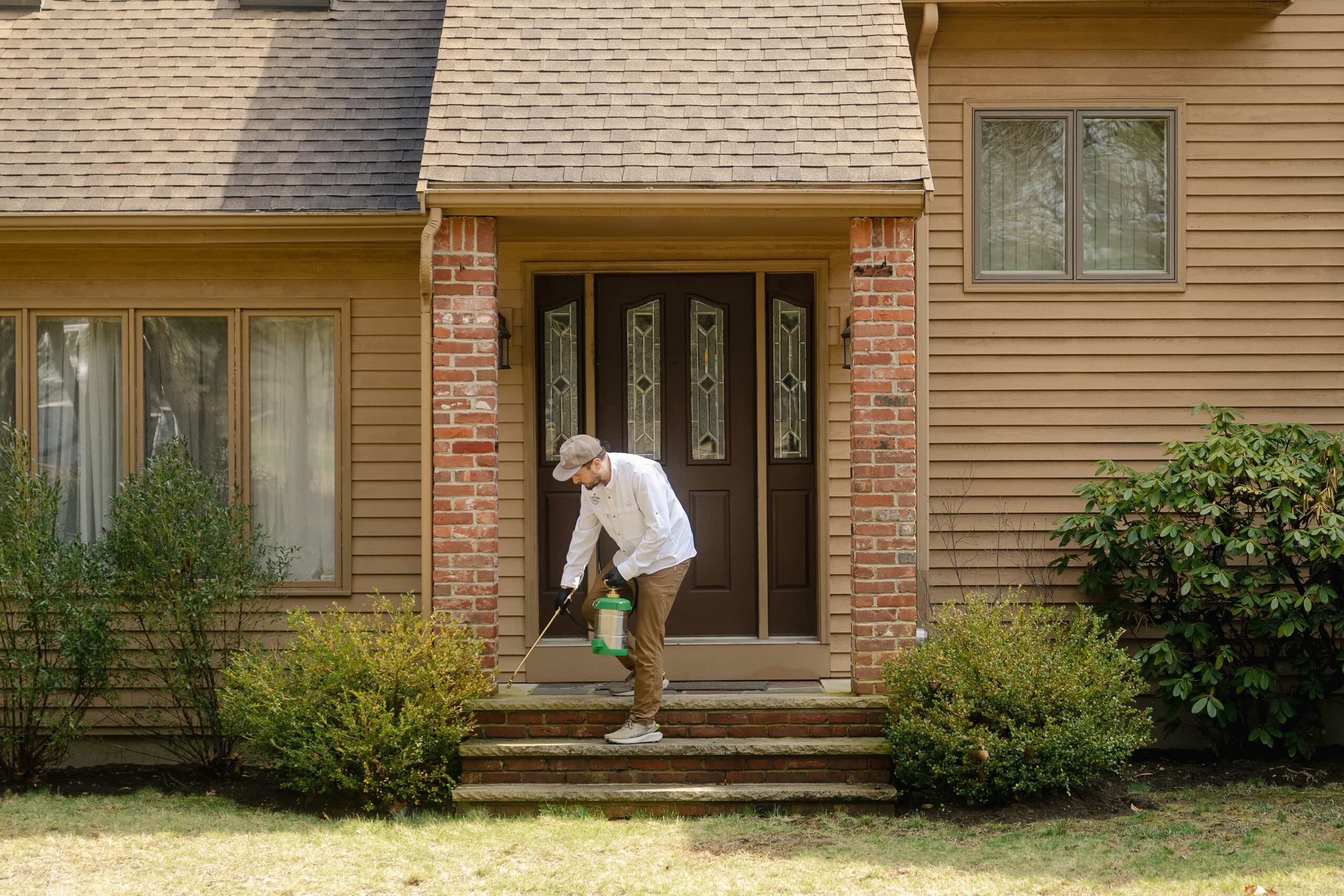
- We treat the exterior first whenever possible, stopping pests before they get inside.
- We apply treatment based on the specific pest and situation, not a blanket spray across the whole property.
- We keep interior treatment to a minimum, and only use it when it’s necessary.
- We choose from a combination of methods depending on what the job calls for: borate based granular applications around the exterior, natural silica dust in voids where appropriate, non-toxic monitors and traps, and targeted professional spray applications around the foundation and entry points.
- We’ll always let you know if people or pets need to stay away from a treated area until it has dried.
This is the process behind every visit, not just the ones where we mention IPM by name.
Safety Comes From the Treatment, Not the Label
A lot of pest control marketing draws a hard line between natural and synthetic products, treating natural as automatically safer. We don’t approach it that way, and we don’t think that line reflects how safety actually works.
Safety comes from using the right treatment, in the right location, in the smallest effective amount, not from whether that treatment is labeled natural or synthetic. A synthetic product applied precisely and only where needed can be safer than a natural product applied broadly and unnecessarily. The product type matters less than how, where, and how much of it gets used.
That’s why we describe Eastern Pine as an IPM company rather than a green pest control company. Our value isn’t in avoiding synthetic ingredients on principle. It’s in inspecting carefully, identifying the actual source of a pest problem, and using the most appropriate treatment, in the least amount necessary, to solve it safely and effectively.
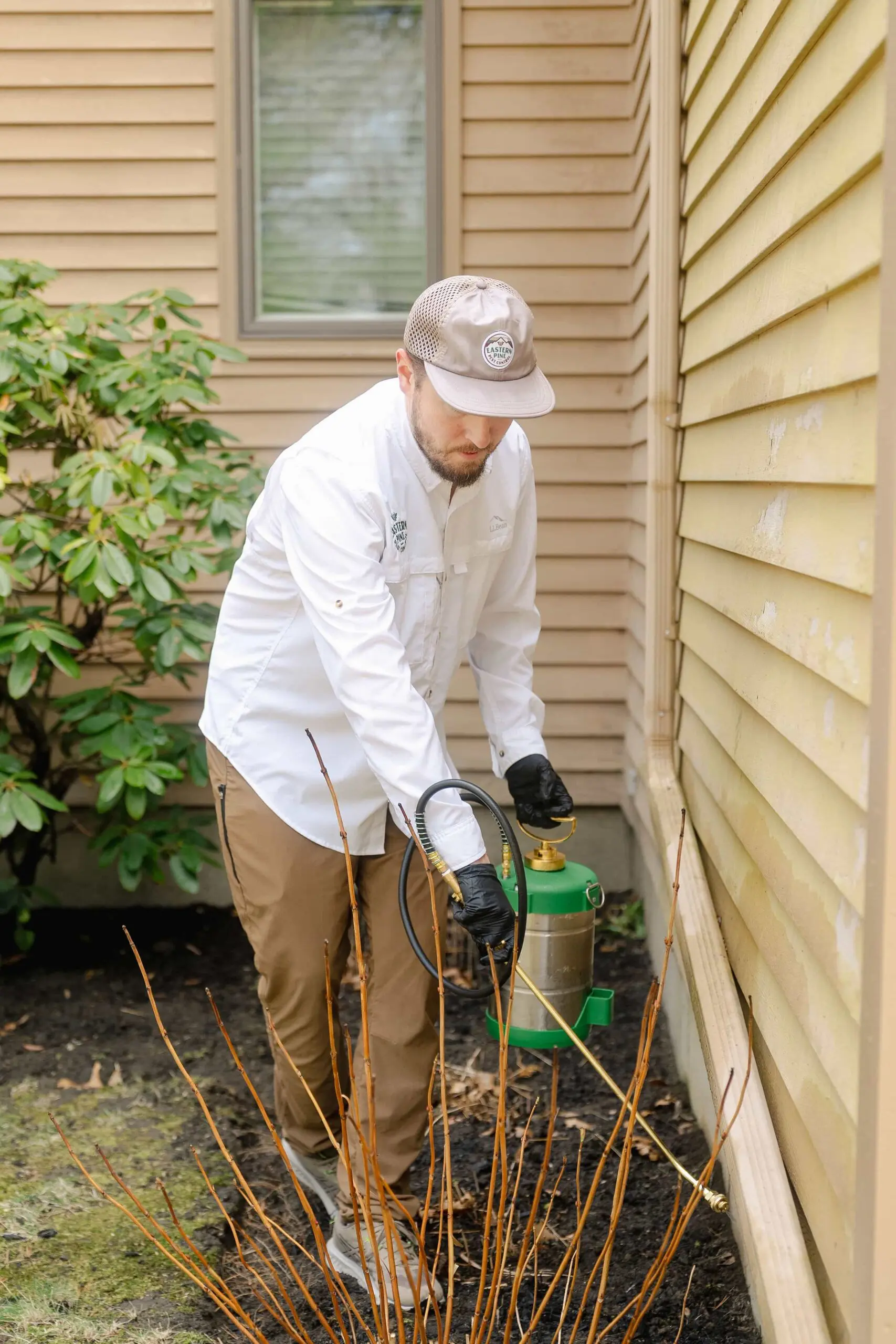
See Our IPM Process in Action
A quick look at how we inspect, treat, and protect real Massachusetts homes using Integrated Pest Management.
Follow @easternpinepest on Instagram →Is IPM Right for Your Home?
IPM benefits most homeowners because it treats the cause of a pest problem instead of just the symptoms. Because treatment is targeted rather than routine, less product gets used overall, and the results tend to last longer since the conditions drawing pests in have been addressed, not just the pests themselves.
IPM works well for ants, rodents, spiders, and most of the common household pests we’re called out for. If a property has a recurring pest issue that keeps coming back despite regular spraying, it’s usually a sign that the source was never actually addressed, which is exactly what an inspection first IPM approach is built to fix.
Frequently Asked Questions
Is IPM safer than traditional pest control?
IPM typically uses less product overall because treatment is targeted and only applied when monitoring confirms it’s needed. It isn’t about avoiding chemicals altogether. It’s about using the right amount, in the right place, for the specific pest.
Do I need to leave my home during IPM treatment?
Most IPM treatments focus on the exterior, so you generally don’t need to leave. When interior treatment is used, we’ll tell you which areas to keep people and pets away from until the product has fully dried.
Does Eastern Pine only use natural products?
No. We use whatever treatment is most appropriate for the pest and the situation, which might be a natural silica dust in one case and a targeted synthetic product in another. Safety comes from the amount and precision of the application, not from whether the product is labeled natural.
How is IPM different from a monthly pest spray?
A standard monthly spray applies product on a fixed schedule regardless of whether pest activity is present. IPM inspects and monitors first, then treats specific areas only when there’s a confirmed need, which usually means less product is used over time.
Schedule an Integrated Pest
Management Inspection
If you’re dealing with a pest problem, or want an Integrated Pest Management program that actually addresses the source instead of masking it, contact Eastern Pine Pest Control to schedule an inspection. We’ll walk the property, identify what’s going on, and build a treatment plan around what your home actually needs.
Submit a Request