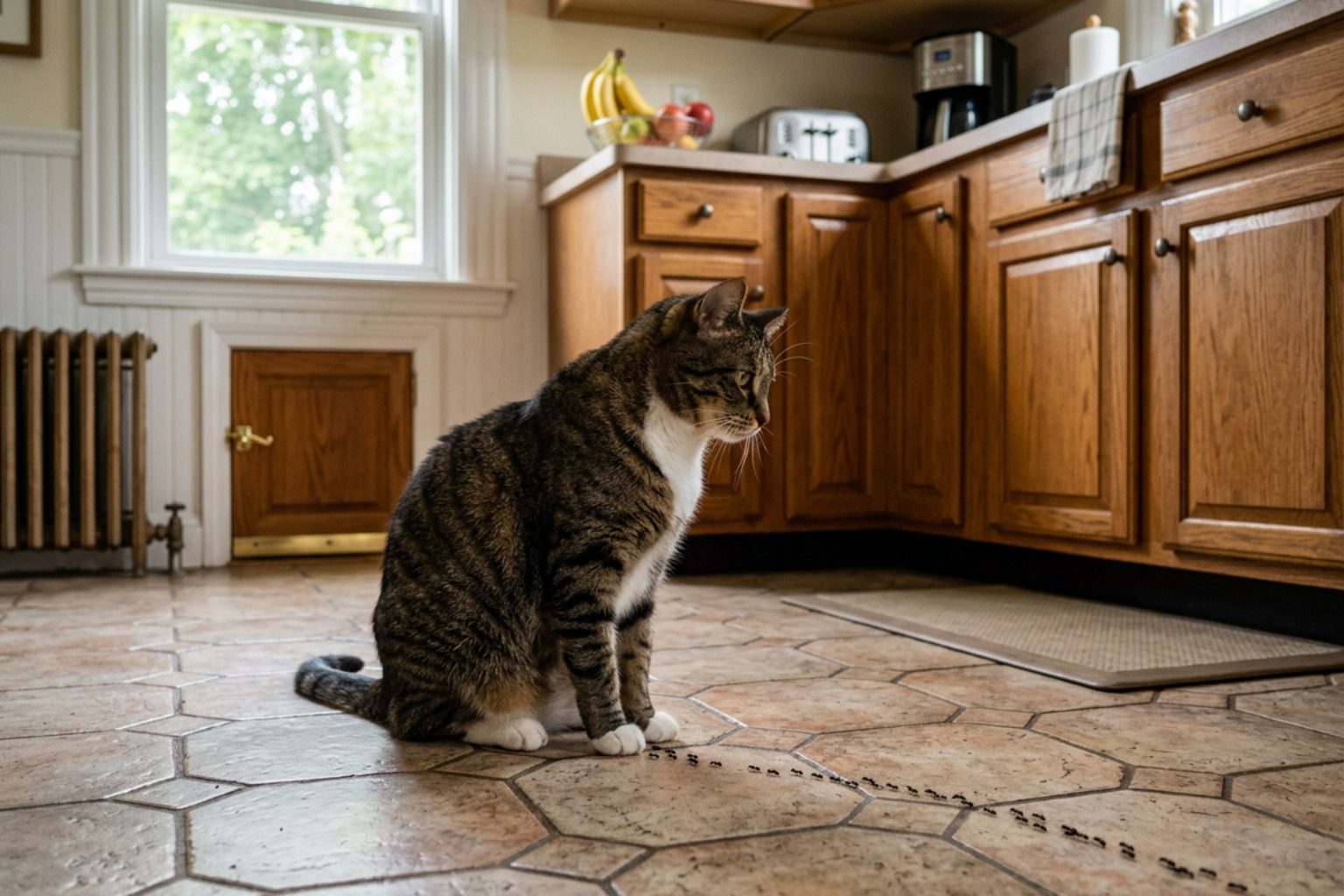
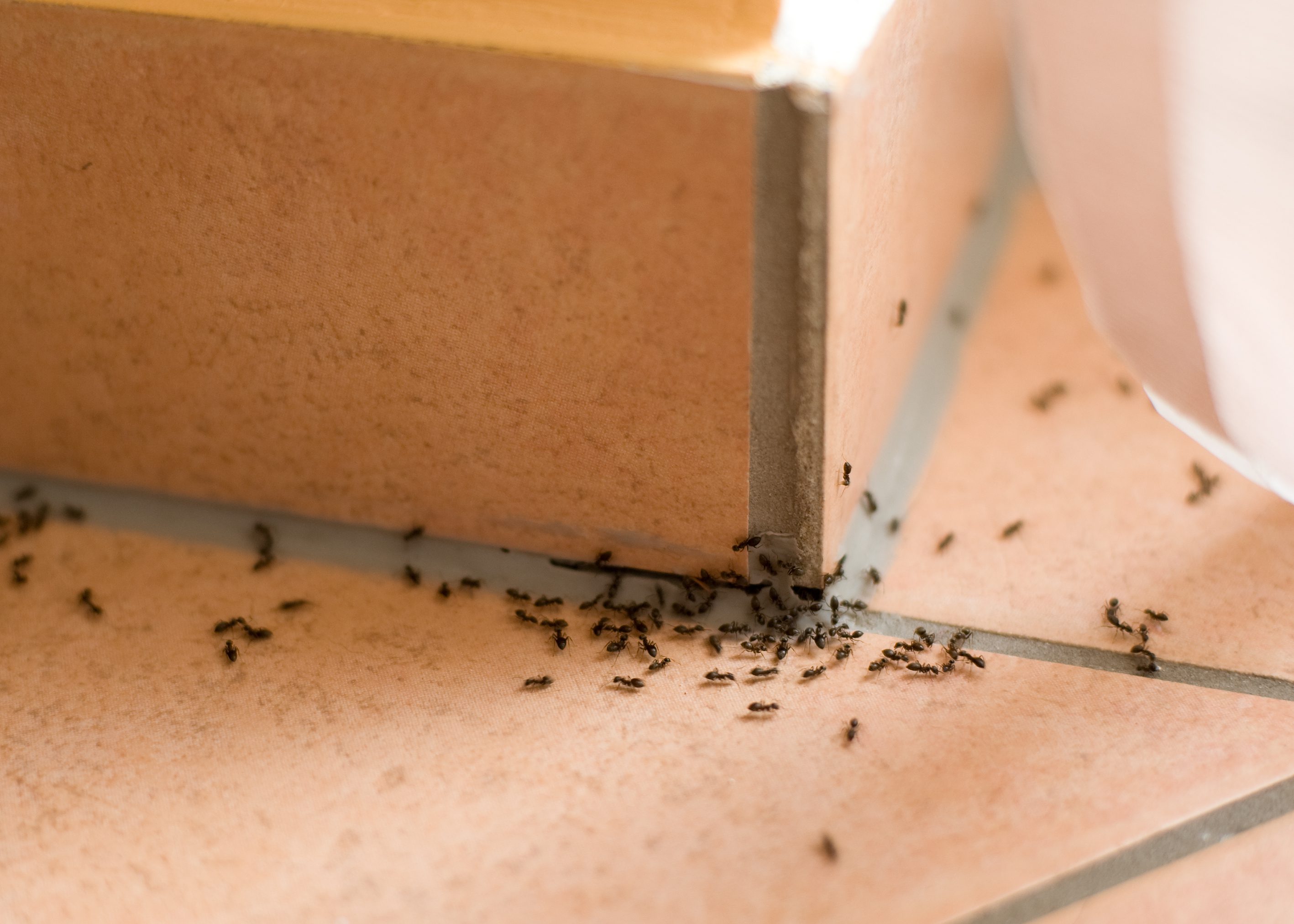
Are you seeing “sawdust” near your baseboards or tiny ant trails on your kitchen counters? You aren’t alone. In the North Shore and Greater Boston area, ant infestations are the #1 pest complaint for homeowners.
At Eastern Pine Pest Control, we don’t just spray and pray. We use an Integrated Pest Management (IPM) approach to find the queen, destroy the colony, and seal your home against future invasions.
Why Ant Control is Important
Ants are more than just a nuisance; they can be a threat to your property and health:
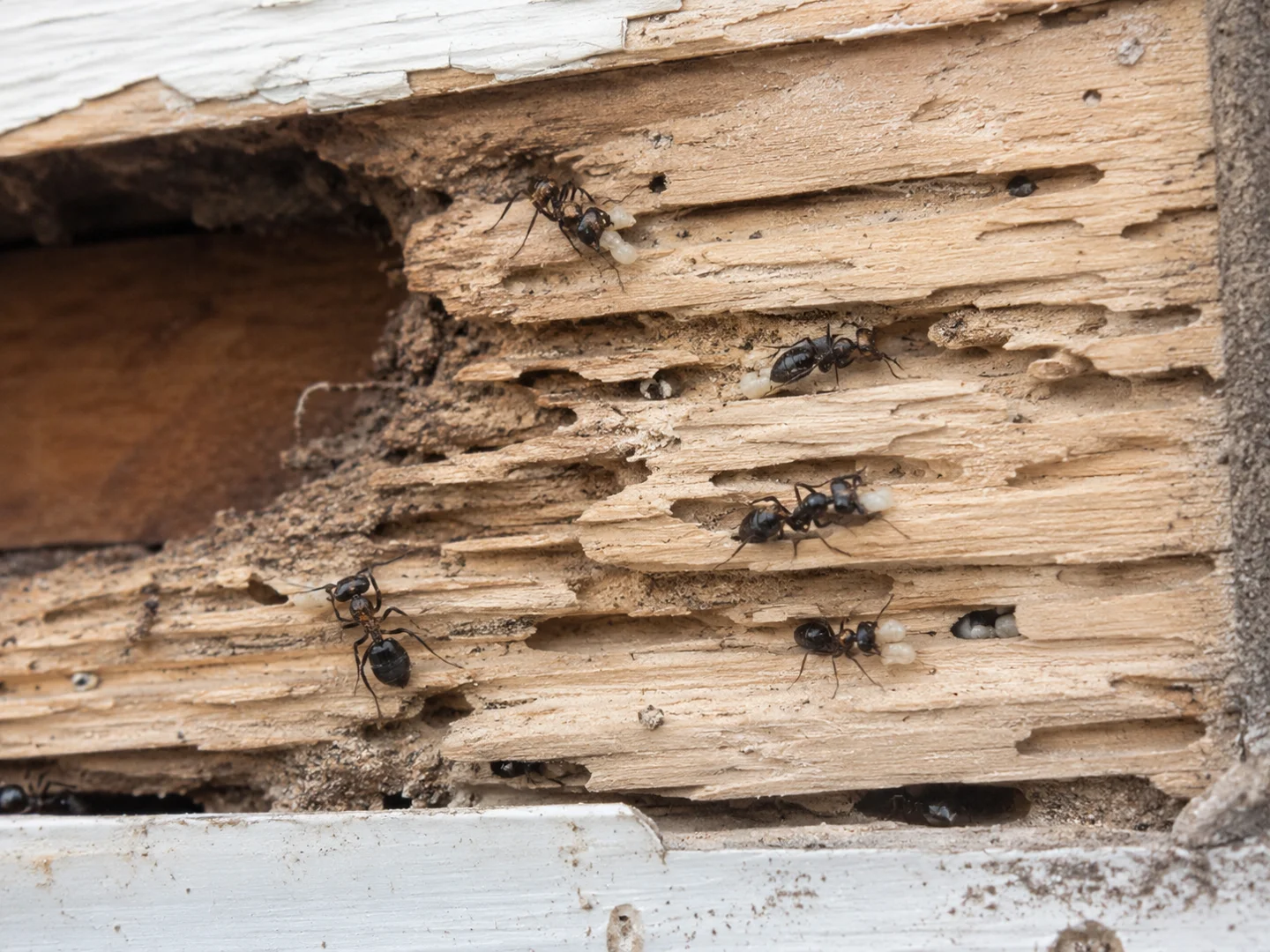
Structural Damage: Carpenter ants do not eat wood, but they tunnel through it to build nests, potentially compromising your home’s structural integrity.
Food Contamination: Ants, such as the Odorous House Ant (Sugar Ant), carry bacteria and fungi that can contaminate your pantry and food-prep surfaces.
Allergies & Bites: Some species can bite or sting, causing discomfort or allergic reactions in sensitive individuals.
Common Ants We Treat in Massachusetts
New England is home to several distinct ant species, each requiring a different treatment strategy.
Carpenter Ants
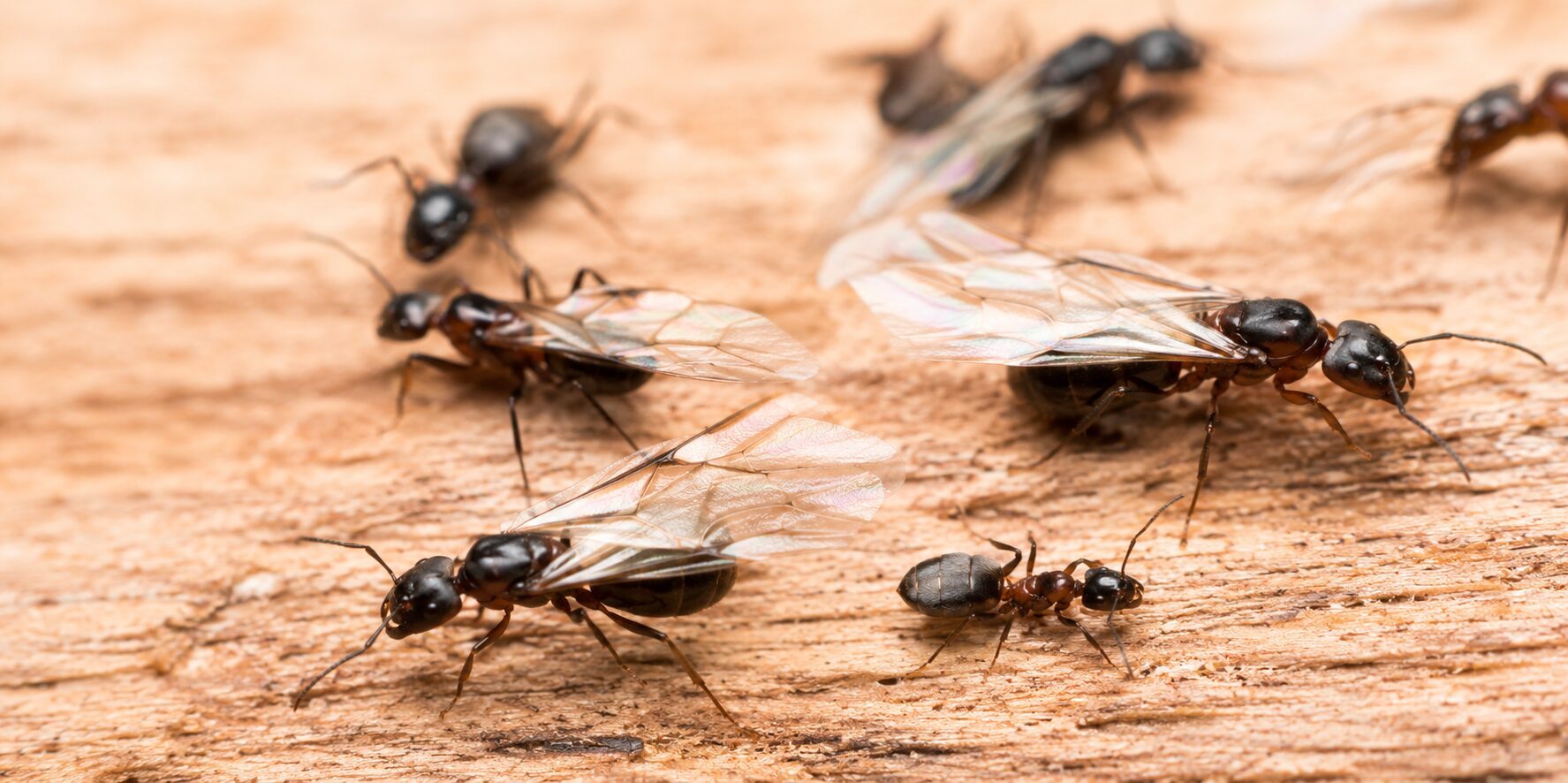
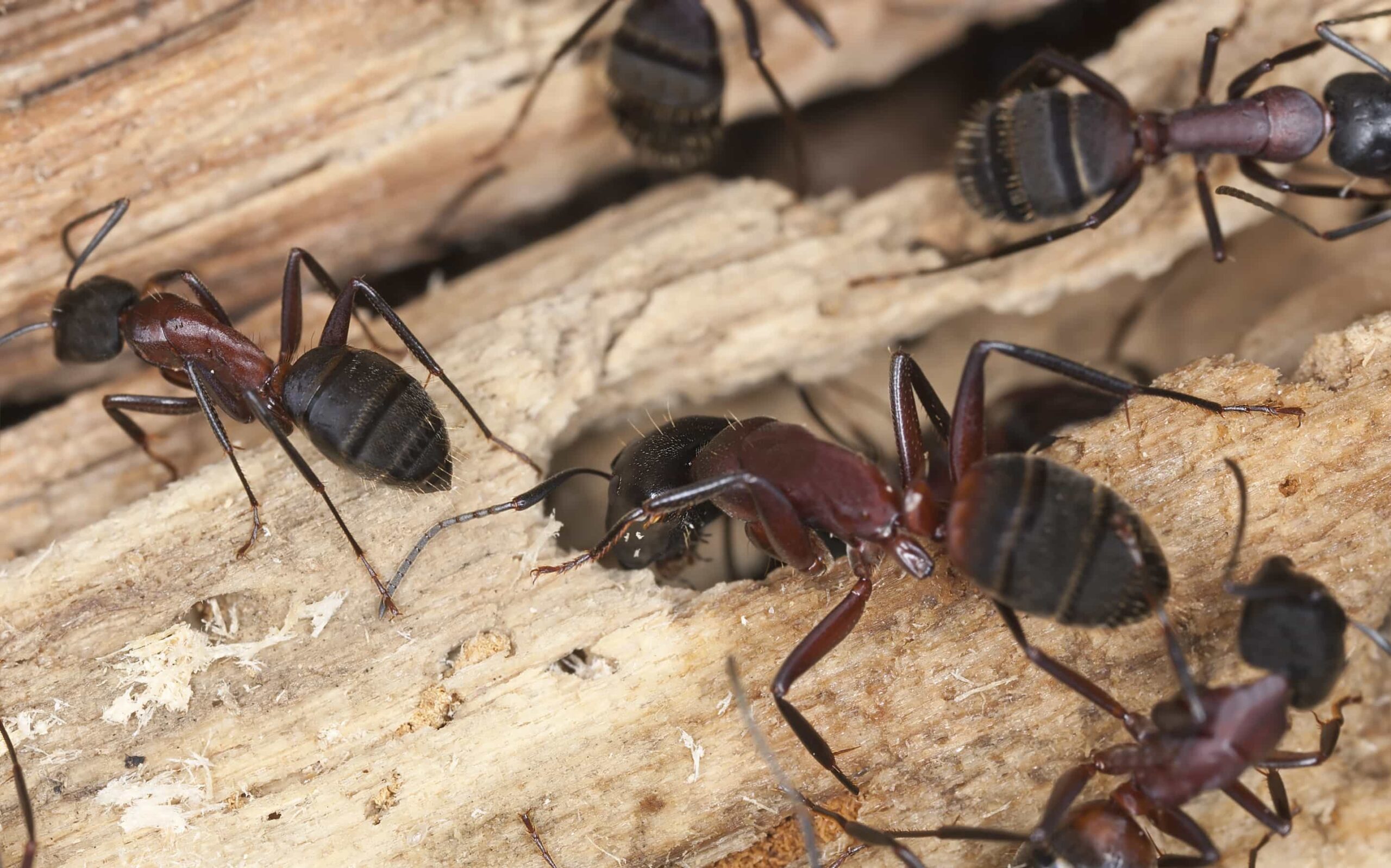
Carpenter ants (Camponotus spp.) are common in Massachusetts and throughout much of North America. Here are some of their characteristics and behaviors:
Appearance
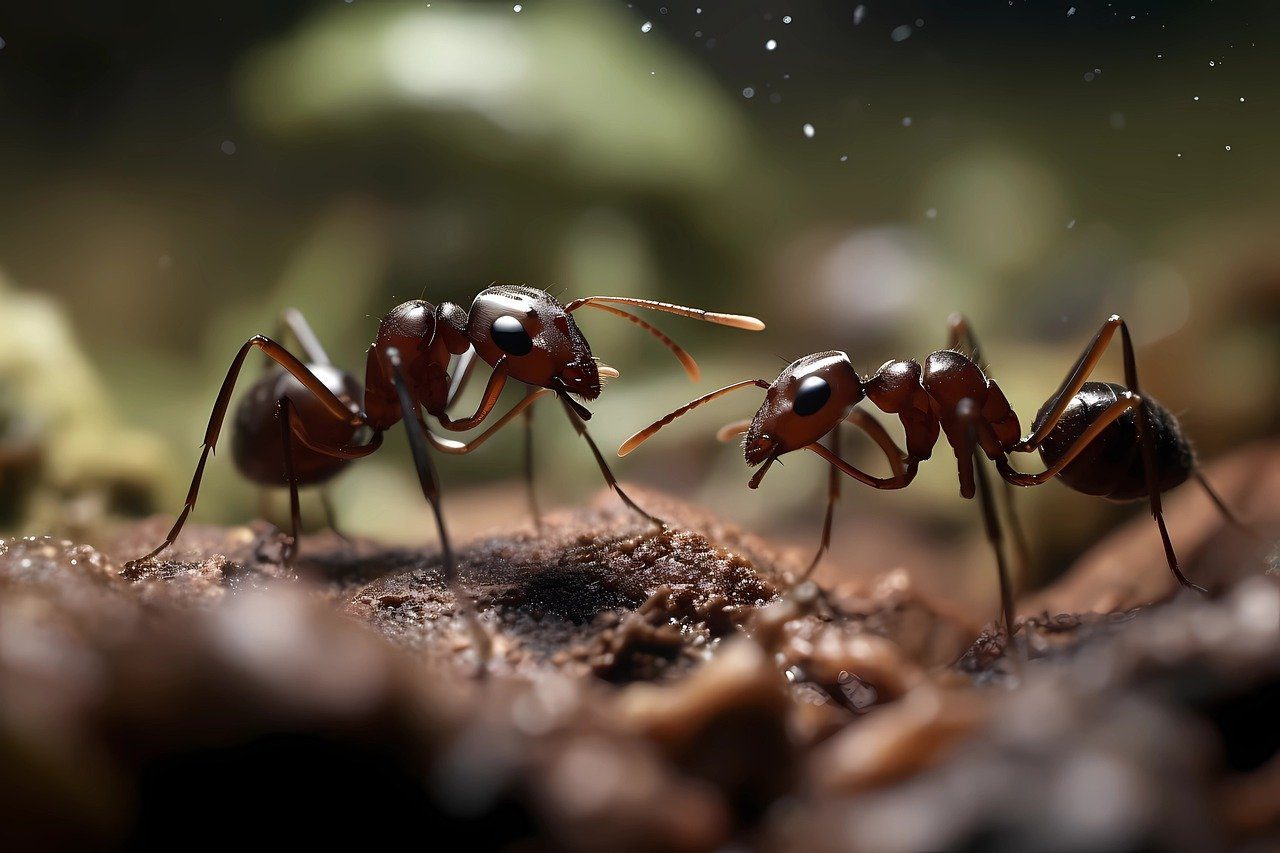
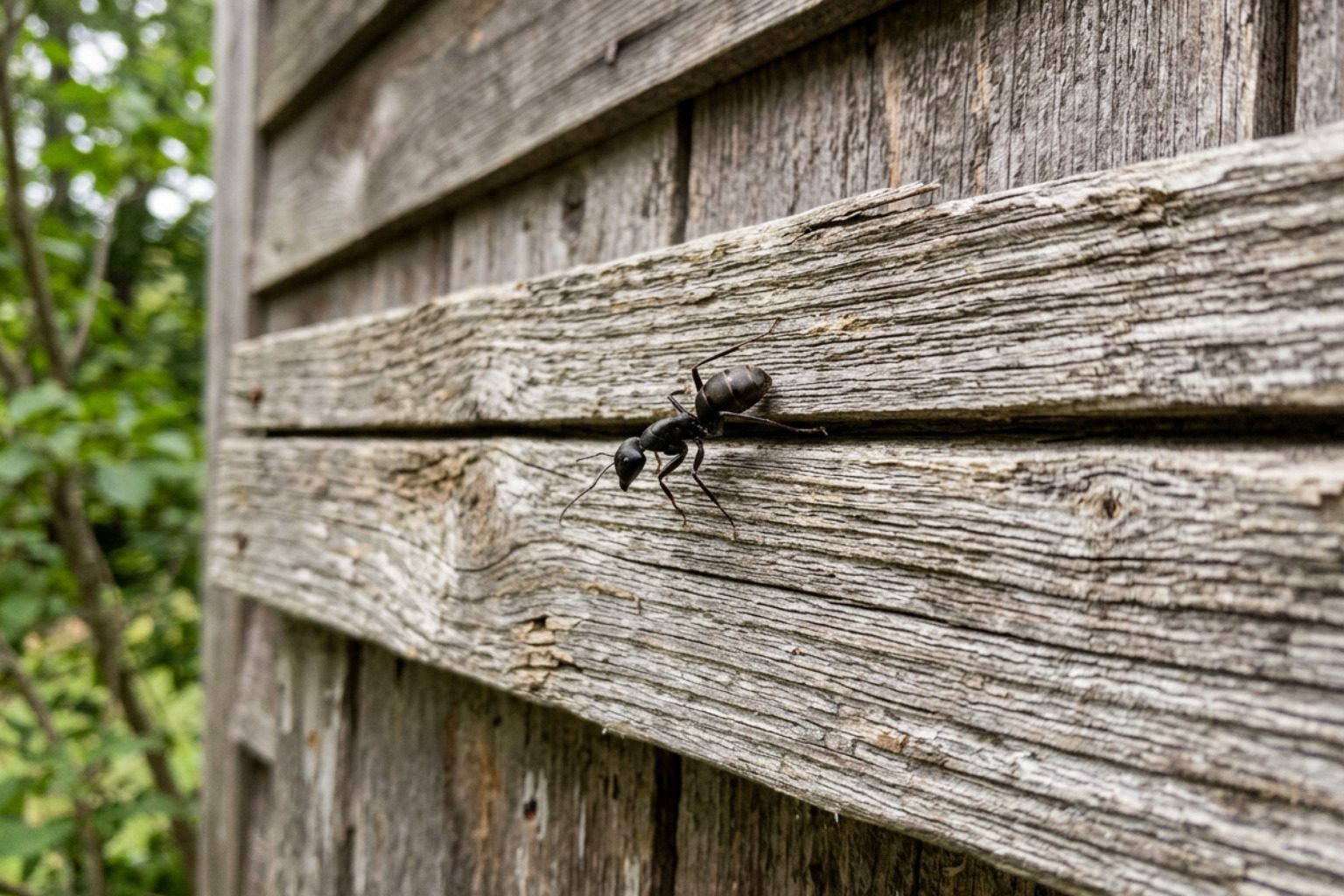
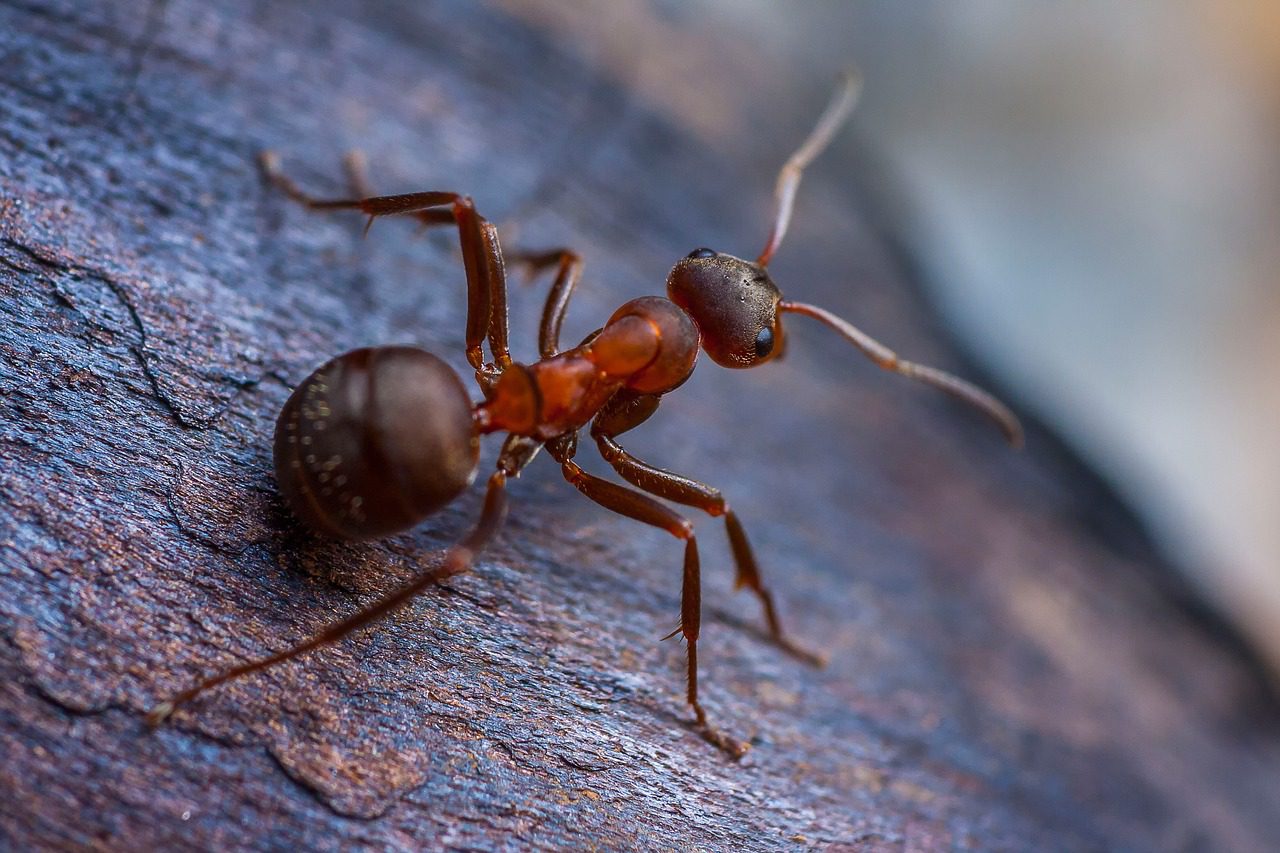
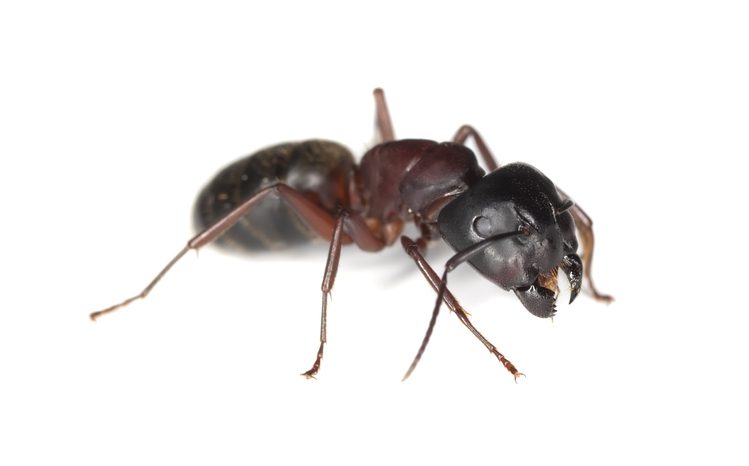
Carpenter ants are relatively large, typically measuring 6 to 12 mm. They vary in color from black to red, and may have a combination of colors. They have a distinct waist and elbowed antennae.
Habitat
Carpenter ants are named for their ability to excavate wood to build nests. They typically nest in moist or decaying wood, such as trees, stumps, logs, or in the walls of buildings. They are often found in areas with moisture, such as near leaky pipes, roofs, or windows.
Colony Structure
Carpenter ants live in colonies with a queen ant that lays eggs, worker ants that forage for food and tend to the young, and male ants that mate with the queen. The colonies can range in size from a few dozen to several thousand ants.
Behavior
Carpenter ants are primarily nocturnal and are most active at night. They are also known for their strong mandibles, which
Pavement Ants
Pavement ants (Tetramorium caespitum) are a common ant species found in Massachusetts and throughout much of North America. Here are some of their characteristics and behaviors:
Appearance
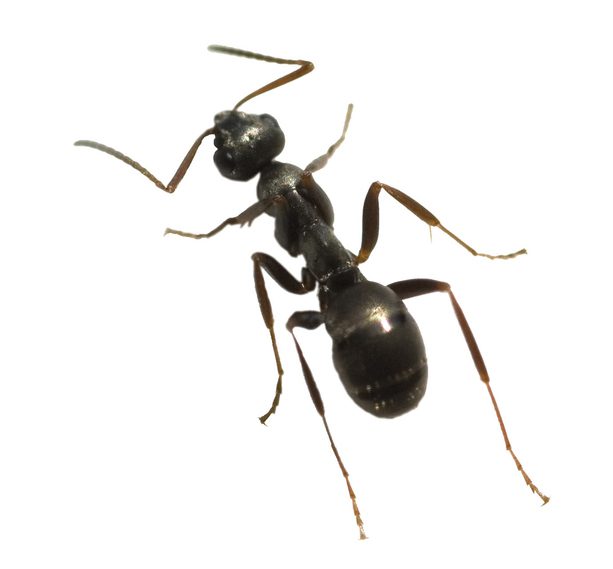
Pavement ants are small, usually measuring about 2.5 to 4 mm in length. They are typically dark brown or black in color, with lighter-colored legs and antennae.
Habitat
Pavement ants get their name from their preference for nesting under sidewalks, driveways, and other pavement. They also nest in soil, under rocks, and in other cracks and crevices. They are often found in urban and suburban environments, where they feed on a variety of food sources, including sweet substances, greasy or oily foods, and dead insects.
Colony Structure
Pavement ants live in colonies with a queen ant that lays eggs, worker ants that forage for food and tend to the young, and male ants that mate with the queen. The colonies can range in size from a few dozen to several thousand ants.
Behavior
Pavement ants are known for their aggressive behavior and will defend their nests against intruders. They communicate with each other through chemical signals called pheromones, which they use to mark trails to food sources and to alert other ants to danger. They are also capable of changing their behavior in response to changes in their environment, such as fluctuations in temperature or food availability.
Seasonality
Pavement ants are active throughout the year, but are most commonly seen during the summer months. During the winter, they may go into a period of reduced activity, known as diapause, in order to conserve energy.
Overall, pavement ants are a resilient and adaptable species that have successfully established themselves in a variety of environments in Massachusetts and beyond.
Odorous House Ants
Odorous house ants (Tapinoma sessile) are a common ant species found in Massachusetts and throughout much of North America. Here are some of their characteristics and behaviors:
Appearance
Odorous house ants are relatively small ants, typically measuring about 2.4 to 3.3 mm in length. They are dark brown to black in color and have a distinct coconut-like odor when crushed.
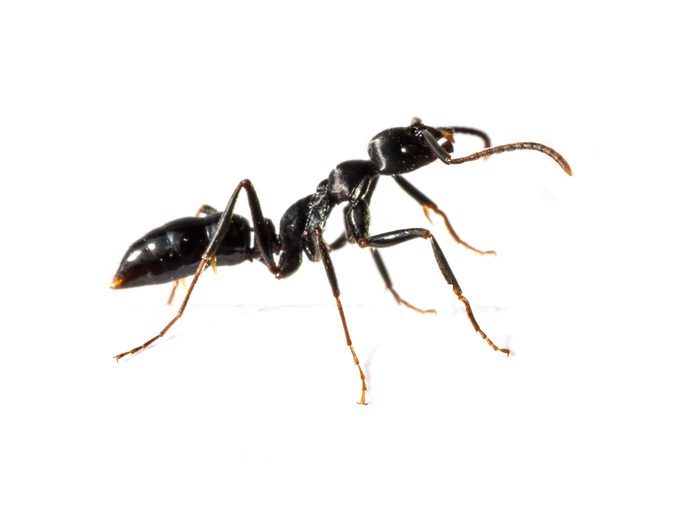
Habitat
Odorous house ants prefer to nest in moist environments, such as under rocks, in soil, or in wood damaged by moisture. They are often found in homes, particularly in areas with high humidity, such as kitchens, bathrooms, and near leaky pipes.
Colony Structure
Odorous house ants live in colonies with a queen ant that lays eggs, worker ants that forage for food and tend to the young, and male ants that mate with the queen. The colonies can range in size from a few dozen to several thousand ants.
Behavior
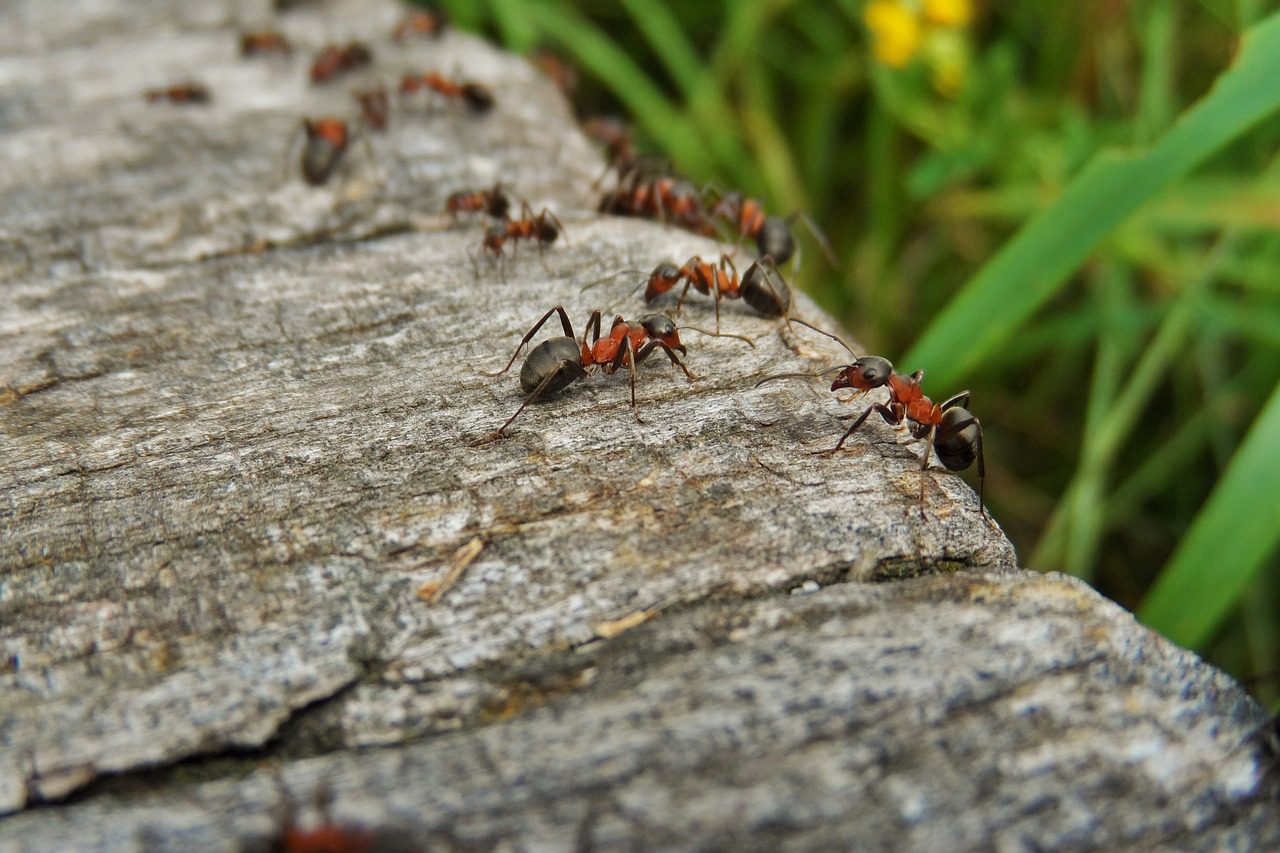
Odorous house ants are primarily active during the daytime and forage for food in trails along surfaces. They communicate with each other through chemical signals called pheromones, which they use to mark trails to food sources and to alert other ants to danger.
Diet
Odorous house ants feed on a variety of foods, including sweets, proteins, and fats. They are particularly attracted to sugary substances and can often be found near spilled soda or other sweet liquids.
Seasonality
Odorous house ants are active throughout the year but are most commonly seen during the spring and summer months when they mate and establish new colonies.
Overall, odorous house ants are considered a nuisance pest and can be difficult to control once they have established a nest in a home. It is important to identify and eliminate ant trails and entry points, and to maintain good sanitation practices in order to discourage infestations.
Expert Communicators
Safe & Effective Methods
Friendly & Professional

Our 3-Step Ant Elimination Process
We combine local expertise with eco-friendly solutions to provide the best protection for your family and pets.
Step 1: Thorough Inspection
We identify the specific ant species and locate the “parent” and “satellite” colonies. We also identify moisture issues and entry points, such as gaps in your foundation or overhanging tree limbs.
Step 2: Targeted Treatment
Using professional-grade, slow-acting baits and non-repellent sprays, we ensure the ants carry the treatment back to the queen. This is the only way to achieve 100% colony elimination.
Step 3: Perimeter Protection & Exclusion
We apply a protective barrier around your home’s exterior and offer advice on “ant-proofing” your property—from sealing cracks to managing mulch levels.
Ant Control Service Areas
We provide localized ant control services across the North Shore, including:
As Reading’s hometown experts, Eastern Pine Pest Control understands the unique pest pressures facing Massachusetts homeowners.
Whether you are dealing with carpenter ants in a historic West Reading property or sugar ants in a modern kitchen near Lake Quannapowitt, our neighbors trust us for rapid, 7-day-a-week response times. Don’t let ants disrupt your peace of mind—work with a local team that has earned over 100 5-star reviews by delivering effective, family-safe results.
FAQs
How much does a professional ant treatment cost in MA?
Determining the exact cost of pest control for your home in Reading involves several specific variables because no two infestations or properties are identical. At Eastern Pine Pest Control, we believe in transparent, value-based pricing rather than a one-size-fits-all “sticker price” that might lead to overpaying or under-treating.
Several factors influence the final investment: the size of your property, the specific pest species being targeted (such as wood-destroying carpenter ants versus seasonal pavement ants), and the severity of the current activity.
Eastern Pine Ant Control Pricing
We offer an Ant Control Plan that costs $395 with a 6-month guarantee
How often will pest control service be done, and why?
For most homes in the North Shore and Greater Boston area, we recommend a quarterly service schedule. This frequency is scientifically designed to align with the distinct biological life cycles of Massachusetts pests and the changing New England seasons. Each season brings a new wave of pressure: spring is peak time for carpenter ant emergence; summer sees a surge in stinging insects and pavement ants; autumn brings rodents looking for warmth; and winter is when established indoor colonies thrive.
Why is year-round pest control in Reading worth it?
Year-round protection is the only way to guarantee a truly pest-free environment in the varied climate of Reading and Middlesex County. Many homeowners mistakenly believe that pests “disappear” when the temperature drops, but in reality, many species simply move their base of operations deeper into your home’s heated structure. Investing in a year-round plan with Eastern Pine Pest Control acts as an insurance policy for your property’s health and value.
Do I really need pest control in Reading in the winter?
It is a common misconception that pest control is a seasonal luxury, but in Massachusetts, winter is actually one of the most critical times for professional intervention. While you may not see ants on your sidewalk in January, the warm insulation of your Reading home provides a perfect sanctuary for colonies to overwinter and even expand. Species like Carpenter Ants and Odorous House Ants are experts at nesting deep within wall voids near heat sources or moisture-prone areas like dishwasher lines and master bathrooms.
How long will the service at my Reading home take?
A standard, comprehensive service visit from an Eastern Pine technician typically takes between 45 and 90 minutes, depending on the size of your property and the specific treatments required. We pride ourselves on being thorough rather than fast, as “rushed” pest control is often ineffective pest control. During an initial service or a specialized treatment for carpenter ants, the visit may lean toward the longer end of that spectrum because we perform a meticulous 360-degree inspection of your foundation, eaves, and interior “wet” areas to locate the source of the activity.
Does Eastern Pine Pest Control service homes in Reading on the weekend?
At Eastern Pine Pest Control, we understand that our customers in Reading and across the North Shore lead busy lives, often with demanding work schedules that make weekday appointments difficult. Eastern Pine Pest Control is open on weekends. Our hours can be found below:
| Sunday | 10:00 AM–2:00 PM |
| Monday | 8:00 AM–4:00 PM |
| Tuesday | 8:00 AM–4:00 PM |
| Wednesday | 8:00 AM–4:00 PM |
| Thursday | 8:00 AM–4:00 PM |
| Friday | 8:00 AM–4:00 PM |
| Saturday | 10:00 AM–2:00 PM |
What types of commercial properties do you service in Reading?
Eastern Pine Pest Control provides specialized commercial pest management for a wide variety of industries throughout Reading and the surrounding North Shore area. We understand that a single pest sighting in a business environment can lead to a damaged reputation, health code violations, and lost revenue. Our commercial division is equipped to handle the unique architectural and regulatory challenges of diverse properties, including:
Warehouses and Industrial Facilities: Focusing on heavy-duty exclusion and rodent monitoring to protect inventory.
Restaurants and Food Service: Where high-sanitation standards and discreet treatments are mandatory.
Property Management and Multi-Family Housing: Protecting apartment complexes and condos from the rapid spread of “traveling” pests.
Office Buildings and Retail Spaces: Maintaining a professional, pest-free environment for employees and customers alike.
What pests do you treat for commercial businesses in Reading?
Our commercial pest services are designed to address the specific “high-risk” pests that plague Massachusetts businesses. In the commercial sector, the most common threats we manage include:
- Ants: Particularly “sugar ants” (Odorous House Ants) that can overrun commercial kitchens and breakrooms overnight.
- Rodents: Mice and rats are a major concern for businesses in Reading, especially those near food sources or older construction.
- Stinging Insects: Protecting outdoor seating areas and entryways from wasps and hornets.
- Flies: Utilizing specialized light traps and bioremediation to manage fly populations in food-handling environments.