
mice infestation in your Massachusetts home or business?

If you’re searching for “mouse exterminator near me,” “how to get rid of mice,” or “rodent control services,” Eastern Pine Pest Control is here to help.
Our expert team specializes in safe, effective mice removal and prevention, eliminating these pests and protecting your property from future invasions. With years of experience serving the northeast Massachusetts area, we use proven methods to address house mice, deer mice, and white-footed mice problems quickly and efficiently.
Don’t let mice cause health risks or property damage—contact us today for a free inspection!
Safe & Effective Methods
Friendly & Professional
Signs of a Mice Infestation
Recognizing the early signs of mice in your home is crucial to preventing a full-blown infestation. Mice are sneaky and can multiply rapidly, so acting fast is key. Common indicators include:
- Droppings: Small, dark pellets resembling rice grains, often found in cabinets, drawers, or along baseboards.
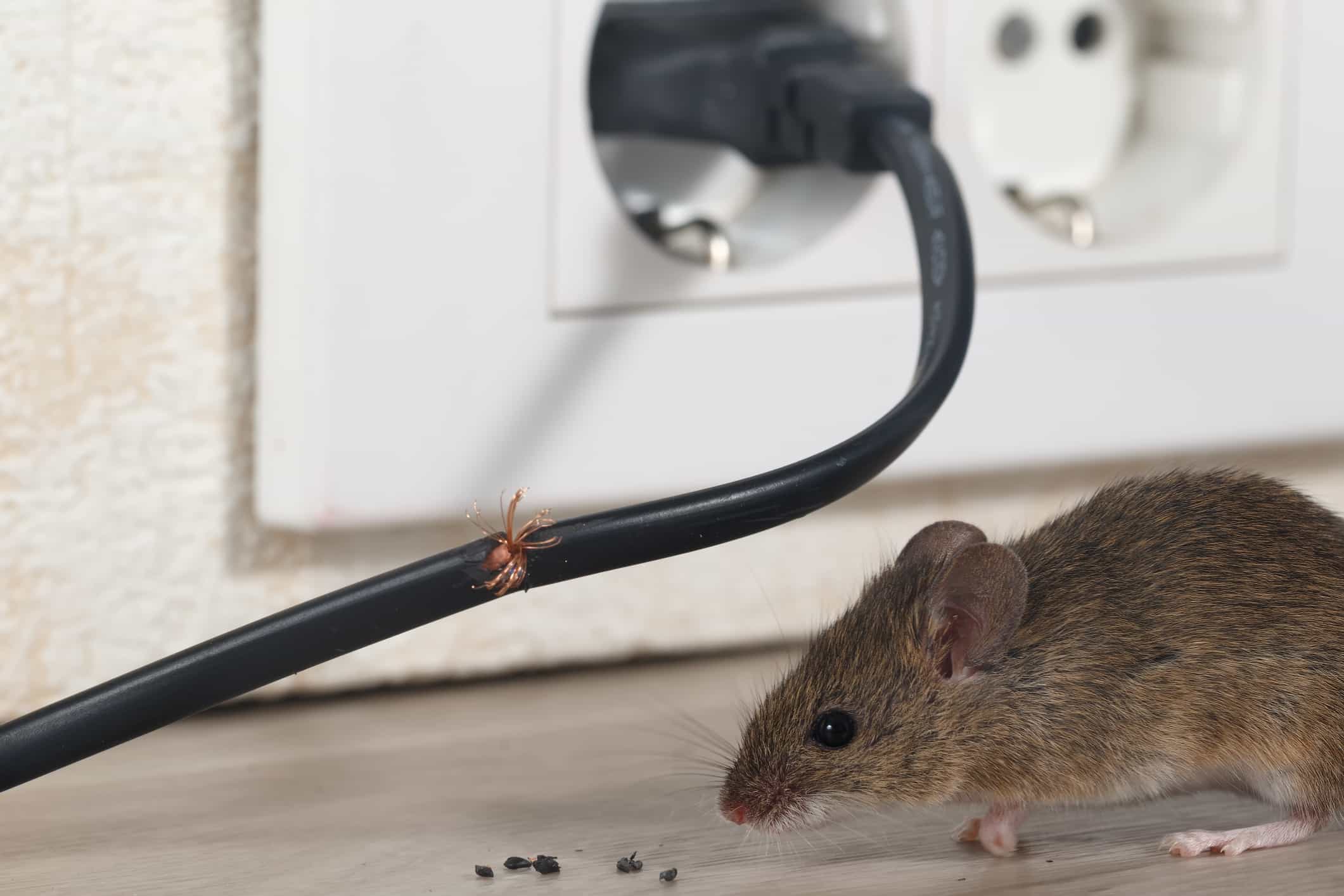
- Gnaw Marks: Chewed wires, wood, plastic, or food packaging—mice constantly gnaw to keep their teeth short.
- Nests: Shredded paper, fabric, or insulation in hidden areas like attics, walls, or behind appliances.
- Noises: Scratching or scurrying sounds in walls or ceilings, especially at night.
- Grease Marks: Smudges along walls from mice rubbing against surfaces.
- Unusual Pet Behavior: Dogs or cats becoming alert or fixated on certain areas.
If you notice any of these signs, it’s time to call a professional rodent exterminator. Ignoring them can lead to contaminated food, damaged insulation, and even electrical fires from chewed wires.
Health Risks and Property Damage from Mice
Mice aren’t just a nuisance—they’re a serious threat. These rodents can transmit diseases such as hantavirus, leptospirosis, and salmonellosis through their urine, droppings, and saliva. Asthmatics may experience worsened symptoms from airborne allergens in mouse waste.
On the property side, mice cause extensive damage by:
- Chewing through electrical wires increases the risk of fire.
- Gnawing on insulation, pipes, and structural wood.
- Contaminating food supplies leads to waste and health code violations for businesses.
- Nesting in walls or attics, which can lead to costly repairs.
Professional pest control for mice is essential to mitigate these risks. Our services ensure your home or business stays safe and damage-free.

The True Cost of Delayed Action
Exponential Damage Growth
Population Growth Timeline
- A single pair can produce 10 litters per year
- Each litter contains 4-8 offspring
- Populations can reach 200+ mice within months
- Damage increases exponentially with population
Cumulative Cost Impact
Delaying professional treatment results in (*visual representation, every situation is different)
Week 1-2
Minor contamination
$100-$300
Month 1
Moderate damage
$500-$1,500
Month 3
Month 6+
Major renovation needs
$5,000-$15,000+
Our Comprehensive Mice Control Process
At Eastern Pine Pest Control, we follow a thorough, multi-step approach to eradicate mice and prevent their return. Our strategy is tailored to your property’s needs for long-lasting results:
Initial Inspection
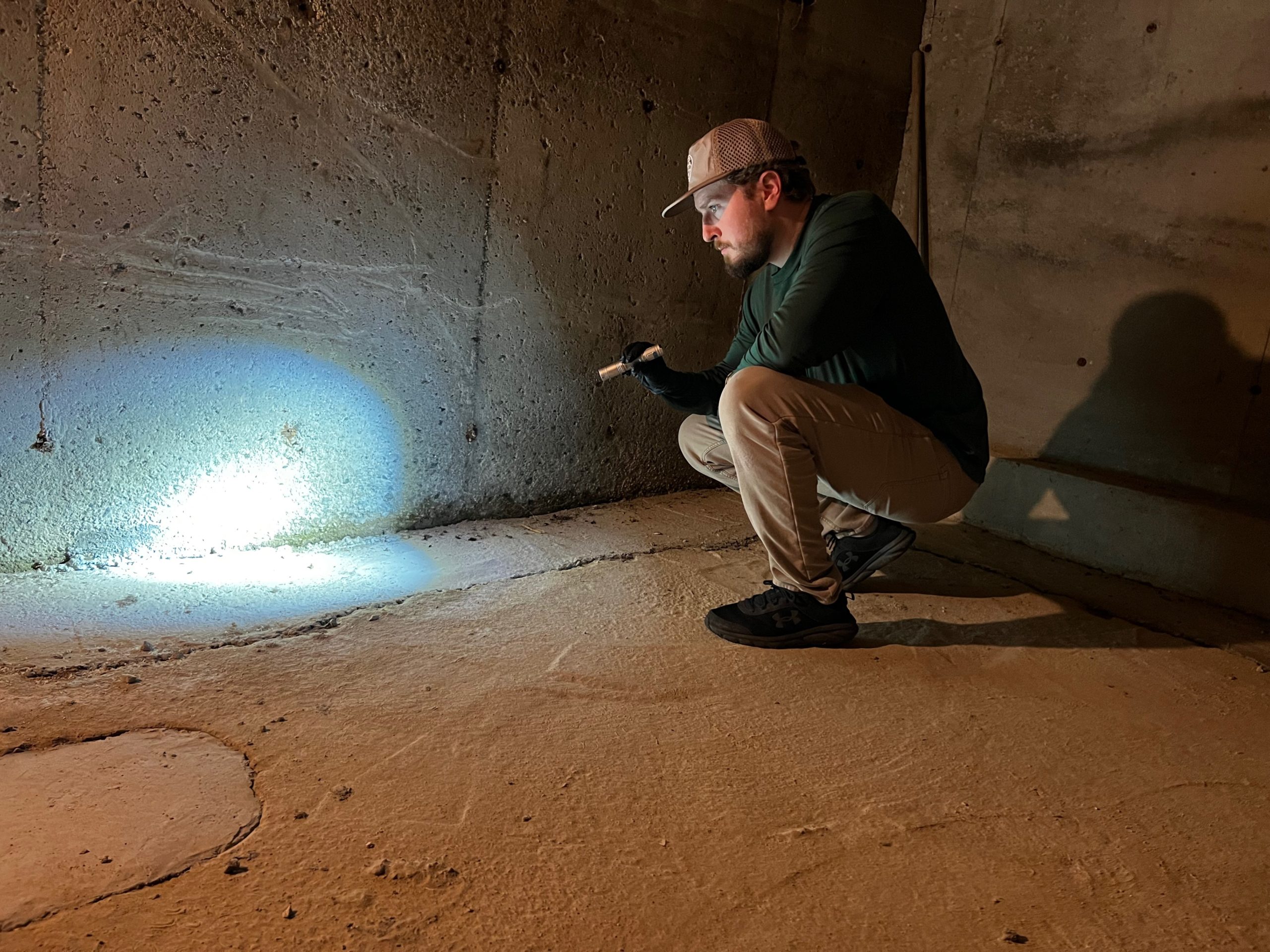
We conduct a detailed assessment to identify entry points, nesting sites, and trails using advanced tools.
Trapping & Removal
Employ safe, targeted trapping methods to eliminate the population humanely and effectively.
Exclusion & Sealing
Seal all potential entry points, such as gaps around pipes, doors, and foundations, to block future access.
Preventative Measures
We install exterior Natural contraceptive bait stations that make Male and female rodents infertile and control exterior rodent populations.
Final Follow-Up
Schedule monitoring visits to ensure the infestation is fully resolved.
This integrated pest management approach minimizes chemical use while maximizing effectiveness. Ready to start? Book your mice removal service today!
Why Choose Eastern Pine for Your Rodent Control Needs?
When it comes to mice exterminator services, Eastern Pine stands out for several reasons:
Our team is licensed, insured, and passionate about pest control, averaging 5-star reviews.
Safe and Eco-Friendly Methods
We offer targeted treatments that are safe for families, pets, and the environment.
Year-Round Protection Plans
Our Pest Prevention Plan keeps mice and other pests at bay with routine visits.
Fast Response
Emergency services available for urgent infestations.
Guaranteed Results
If mice return, so do we—at no extra cost.
Join hundreds of satisfied Massachusetts customers who’ve reclaimed their spaces from rodents.
Mice Prevention Tips for Homeowners
Prevention is better than a cure. Here are practical steps to keep mice out:
Use caulk or steel wool to fill cracks larger than 1/4 inch.
Store Food Properly
Keep pantry items in airtight containers and clean up crumbs promptly.
Reduce Clutter
Clear attics, basements, and garages of boxes and debris.
Maintain Landscaping
Trim bushes and keep grass short to eliminate hiding spots.
Use Traps Proactively
Place snap or humane traps in high-risk areas during fall and winter.
Regular Inspections
Check for signs seasonally, especially in older homes.
For professional advice tailored to your property, contact us for a prevention consultation.
Frequently Asked Questions About Mice Control
Look for droppings, gnaw marks, or noises in walls. If unsure, our free inspection can confirm.
Traps and baits can help with small issues, but professional extermination is needed for infestations to address root causes.
Most treatments resolve in 1-2 weeks, with follow-ups for prevention.
We provide mice control services throughout northeast Massachusetts, including Essex and Middlesex counties. To see a full service area map head HERE.
Areas We ServeCosts vary by infestation size, but we offer free quotes. Our plans start affordably for ongoing protection.
Get Rid of Mice Today—Contact Eastern Pine Pest Control
Protect your home year-round
Don’t wait for a small mice problem to become a major headache. Search no more for “pest control for mice near me”—our team is ready to deliver fast, reliable results.
Protect your health, home, and peace of mind with expert rodent extermination.
Contact Us Today

Recent Industry Insights About Mice in MA



Mice Commonly Seen in Massachusetts

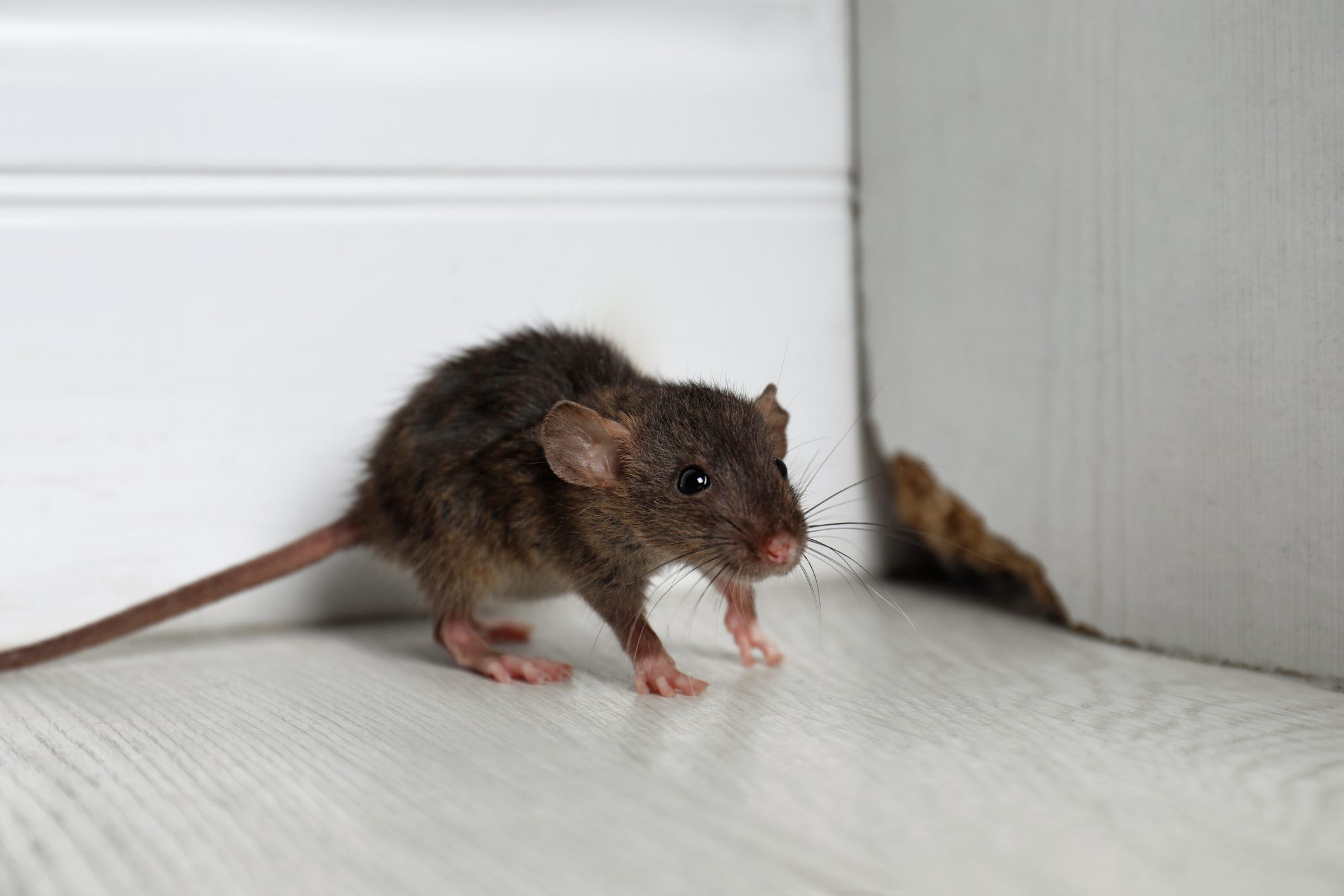
House mice (Mus musculus) are a common and widespread species of mice found throughout Massachusetts. These small rodents are adaptable and resilient, capable of surviving in various environments, including homes, buildings, farms, and outdoor spaces.
House mice have a rapid breeding cycle, with females able to produce multiple litters per year, leading to potential infestations if left unchecked.
They are notorious for their ability to squeeze through tiny openings and gaps, allowing them access to homes and structures. Once inside, house mice can cause damage by gnawing on electrical wiring, wood, and other materials, potentially leading to fires and structural issues. They contaminate food and surfaces with their droppings and urine, posing health risks to humans.
Proper prevention and control measures, such as sealing entry points, eliminating food sources, and employing traps or professional extermination services, are crucial to managing house mice infestations and safeguarding homes and properties in Massachusetts.

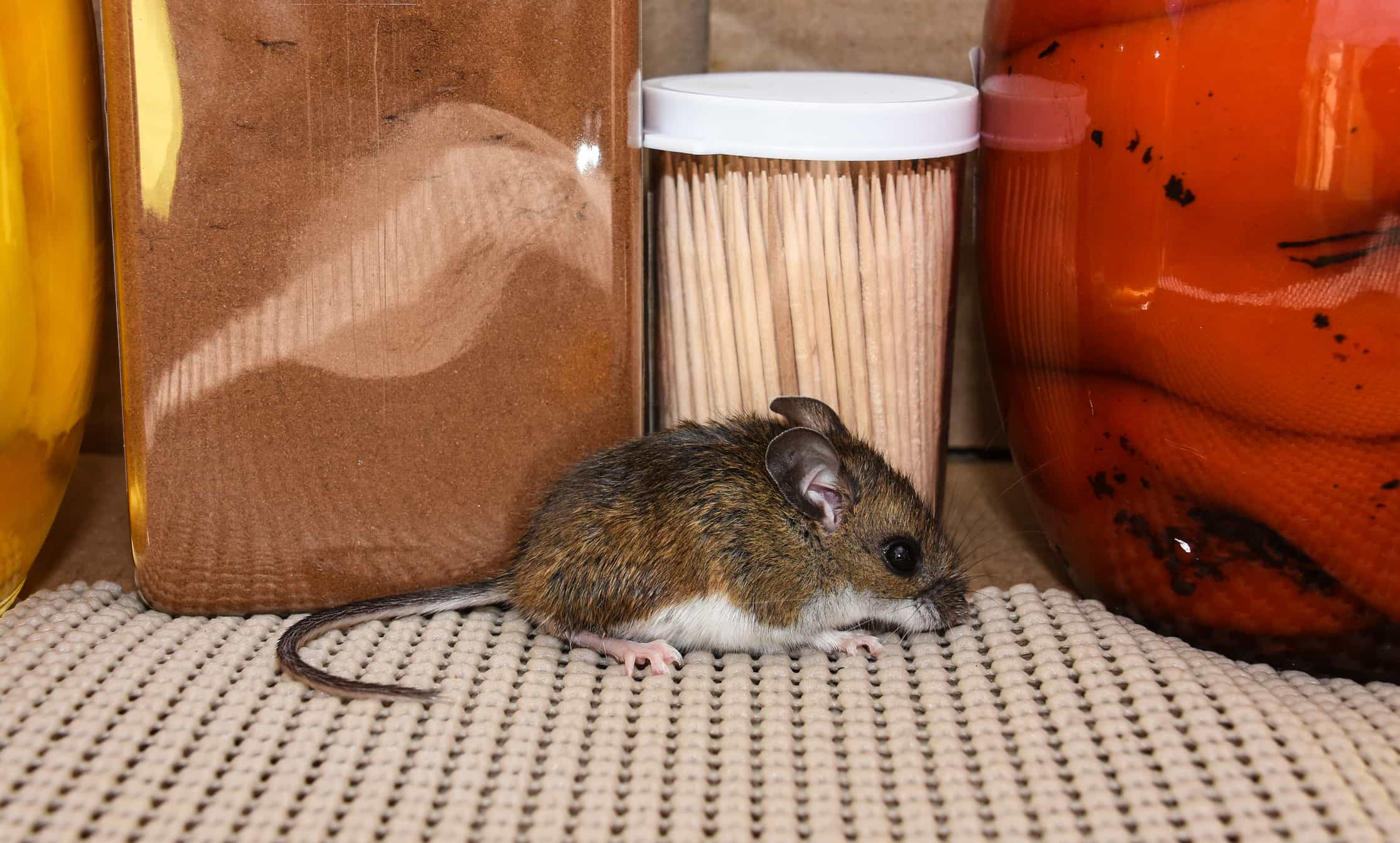
Deer mice (Peromyscus maniculatus) are a species of mice found in various regions of Massachusetts, particularly in rural and wooded areas.
Appearance – These small rodents have a distinctive appearance: reddish-brown fur and white underbellies. Deer mice are well-adapted to their natural habitats and are known for their agility and climbing abilities.
Diet – While they play a role in the ecosystem by feeding on seeds, insects, and small invertebrates, they can become a concern when they enter human dwellings.
Deer mice are known carriers of hantavirus, a potentially serious respiratory illness transmitted through contact with their droppings, urine, or saliva.
It is essential to take precautions when dealing with deer mice, such as wearing protective gloves and masks, especially when cleaning areas that their presence may contaminate.
Proper exclusion measures, such as sealing entry points and maintaining cleanliness, can help prevent deer mice from entering homes and minimize the potential health risks associated with these rodents in Massachusetts.
White-footed mice, scientifically known as Peromyscus leucopus, are small rodents native to North America.
Habitats
They are widely distributed across a variety of habitats including forests, grasslands, and brushy areas.
These mice prefer habitats with dense vegetation that provides cover and protection. They are adept climbers and can be found in trees, shrubs, and rock crevices as well.
Diet
White-footed mice have a diverse diet, feeding on a range of seeds, nuts, berries, insects, and even small vertebrates. They are also known to cache food for later use.
Appearance
In terms of appearance, white-footed mice have a compact body with a long tail that is shorter than their body length. They typically measure around 15 centimeters in length, including their tail. These mice have soft fur that is light brown to reddish-brown on their back, with white underparts and distinctive white feet, which give them their name. Their large, black eyes and large ears aid in their nocturnal activities. White-footed mice are important members of the ecosystem, playing a role in seed dispersal and serving as prey for various predators.